
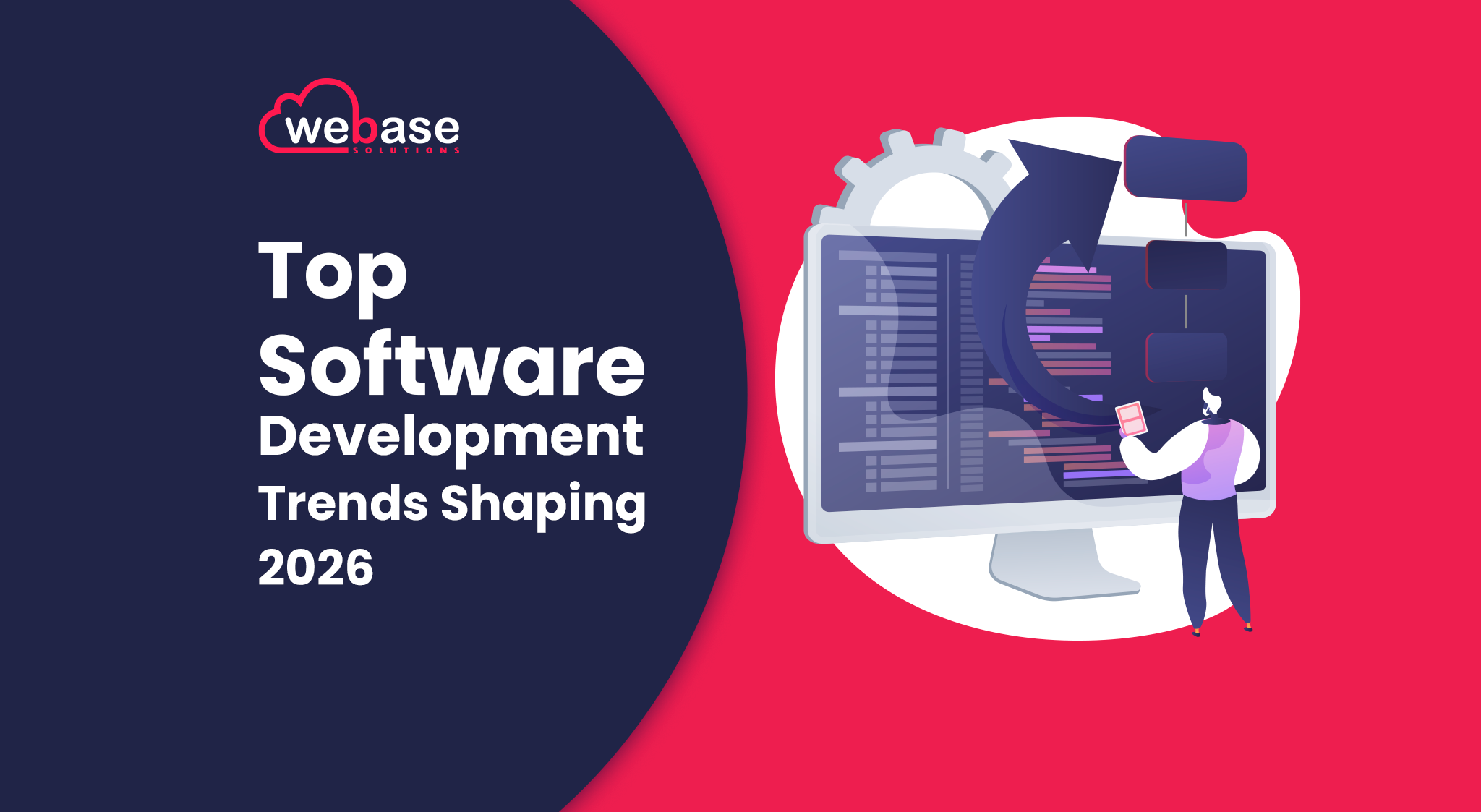
The world of software development is evolving faster than ever. As we step into 2026, new technologies, smarter tools, and changing user expectations are reshaping how developers build applications. From AI-driven coding to cloud-native ecosystems, staying updated with the latest trends is no longer optional—it’s essential.
In this article, we explore the top software development trends shaping 2026 and how they are transforming the tech landscape.
Artificial Intelligence is no longer just a buzzword—it’s now deeply integrated into development workflows. AI-powered tools can generate code, detect bugs, and even suggest optimizations in real time.
Developers are increasingly relying on AI assistants to:
This trend is significantly reducing development time while boosting productivity.
Low-code and no-code platforms are making software development accessible to non-developers. Businesses can now build applications without deep programming knowledge.
Why it matters:
In 2026, these platforms are not replacing developers but helping them focus on more complex tasks.
Cloud-native technologies continue to lead the way. Applications are now designed specifically for cloud environments using microservices, containers, and serverless architectures.
Key benefits include:
Companies are moving away from traditional infrastructure to fully embrace cloud ecosystems.
With rising cyber threats, security is now a top priority from the very beginning of development.
The “Shift Left” approach ensures:
Developers are integrating security practices directly into the coding process rather than treating it as an afterthought.
Web3 technologies are gaining traction, bringing decentralized systems into mainstream development.
Key highlights:
While still evolving, Web3 is opening new possibilities for secure and transparent applications.
Progressive Web Apps combine the best of web and mobile apps. They are fast, reliable, and can work offline.
Benefits:
In 2026, PWAs are becoming a preferred choice for businesses targeting mobile users.
Edge computing is changing how data is processed by bringing computation closer to users.
Advantages include:
This is especially important for IoT, gaming, and streaming services.
DevOps continues to evolve with more automation and smarter pipelines.
Teams are focusing on:
This trend ensures quicker delivery of high-quality software.
Users now interact with applications across multiple devices—smartphones, wearables, AR/VR, and more.
Developers are creating:
Multi-experience development is becoming essential for modern applications.
Sustainability is now influencing software development practices.
Focus areas:
Companies are prioritizing eco-friendly development to align with global sustainability goals.
The software development landscape in 2026 is driven by innovation, automation, and user-centric design. From AI-powered coding to sustainable practices, these trends are shaping the future of how software is built and delivered.
For developers and businesses alike, adapting to these changes is key to staying competitive in an ever-evolving digital world.
Lorem ipsum dolor sit amet consectetur adipisicing elit. Porro, ea, laboriosam animi sunt eaque tenetur, saepe eveniet officiis quidem repellendus ipsam aspernatur ullam earum accusantium!
Lorem ipsum dolor sit amet consectetur adipisicing elit. Porro, ea, laboriosam animi sunt eaque tenetur, saepe eveniet officiis quidem repellendus ipsam aspernatur ullam earum accusantium!

Lorem ipsum dolor sit amet consectetur adipisicing elit. Porro, ea, laboriosam animi sunt eaque tenetur, saepe eveniet officiis quidem repellendus ipsam aspernatur ullam earum accusantium!